With so many surface-prep options, it's easy to feel stuck. The right choice almost always comes down to two questions: what is the surface (the substrate), and what are you trying to remove (the contaminant)? Here's how the three methods we run compare in practice.
Dustless sandblasting: the workhorse
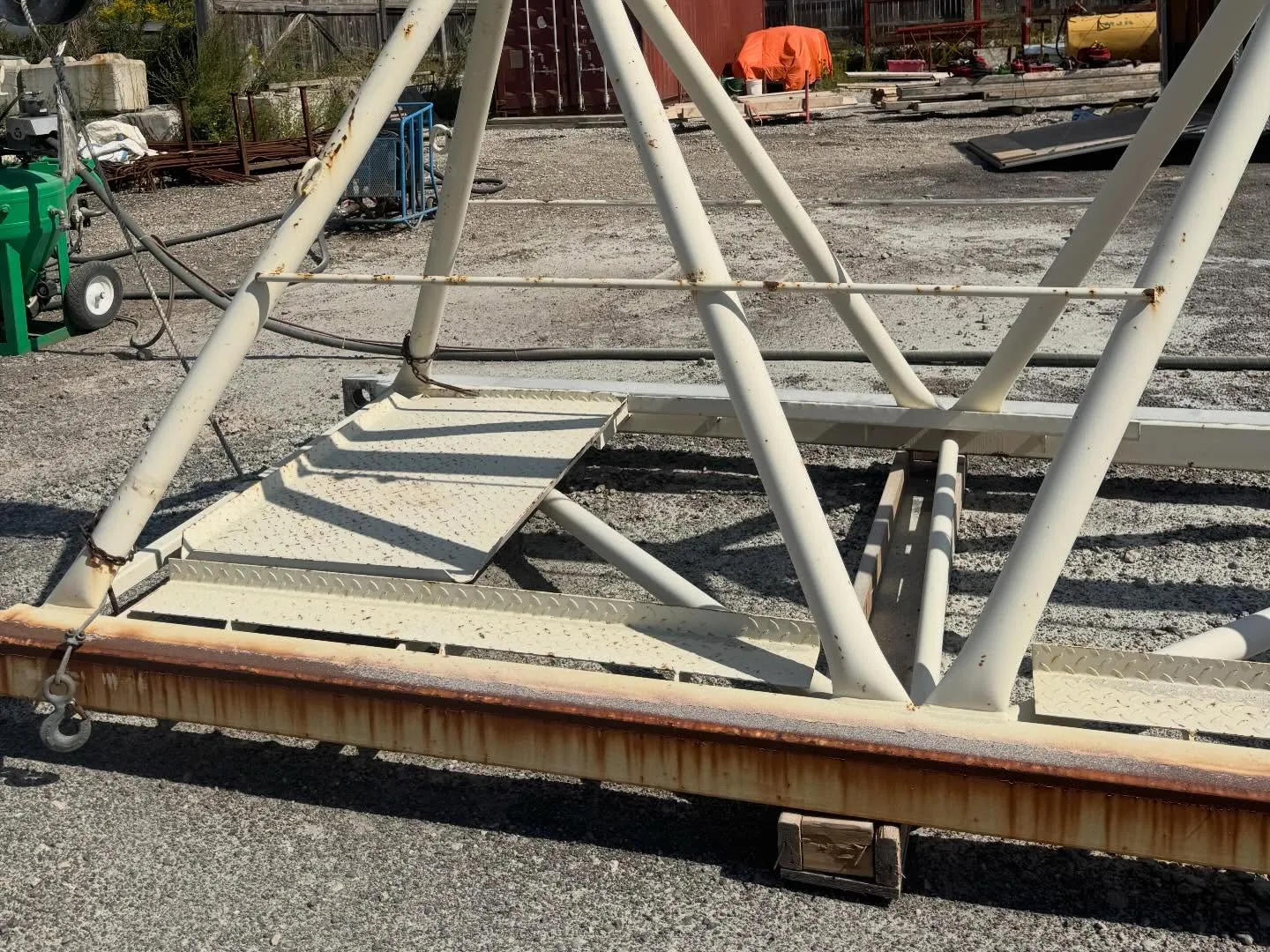
Dustless sandblasting is the tool for heavy rust, thick coatings and stubborn buildup on durable surfaces: structural steel, holding tanks, commercial concrete, brick and block. The wet abrasive process keeps airborne particulate far lower than traditional blasting, which matters on occupied or sensitive sites, and it leaves an anchor profile that primers and coatings bond to. If the surface can take abrasion and the contaminant is thick, this is usually the fastest, most economical option.
Dry ice blasting: non-abrasive, residue-free
Dry ice blasting fires soft CO2 pellets that sublimate, turn straight to gas, on impact. Nothing abrasive touches the surface and no media is left behind, so it shines on sensitive electrical equipment, food-processing lines, timber, and anything you can't risk pitting, soaking or contaminating. Because it leaves no secondary waste, cleanup is minimal and equipment can often be cleaned in place, without disassembly.
Laser cleaning: the precision tool
Laser cleaning vaporizes rust, paint and oxides layer by layer with focused light: no media, no water, no chemicals, and near-zero impact on the substrate underneath. It's ideal for delicate or high-value parts, heritage masonry and metalwork, weld prep, and jobs where even dry ice is too much. It's slower per square foot than blasting, so it's priced for precision work rather than large areas.
Quick decision guide
- Heavy rust or coating on steel or concrete → dustless sandblasting
- Sensitive equipment, electrical, food-grade, or in-place cleaning → dry ice blasting
- Delicate, high-value or heritage surfaces; precision removal → laser cleaning
- Large exterior areas, grime rather than coatings → commercial pressure washing
When in doubt, send us a photo. We run all three methods from the same mobile team, so our recommendation is based on what's right for the surface, not which machine we happen to own.